HP Spectre x360 14 vs HP Spectre x360 16
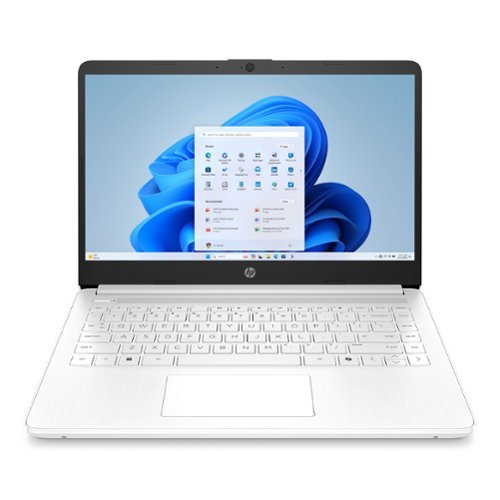

Verdict: The HP Spectre x360 14 is the better pick for most users due to its 1.3 lb weight advantage and easier portability while delivering the same Core Ultra 7 258V performance and OLED quality as the 16-inch model. The 16-inch version only makes sense if you need the extra screen space for split-view work or media and can accept the added bulk. Both models use current 2025 Intel Lunar Lake silicon and avoid all banned older-generation components.
Winner: HP Spectre x360 14
HP Spectre x360 14: 8.2/10
HP Spectre x360 16: 7.6/10
Spec-by-spec comparison
| HP Spectre x360 14 | HP Spectre x360 16 | |
|---|---|---|
| screen_size | 14-inch 3K OLED 120Hz | 16-inch 3K OLED 120Hz |
| processor | Intel Core Ultra 7 258V | Intel Core Ultra 7 258V |
| ram | 16GB LPDDR5X | 16GB LPDDR5X |
| weight | 2.9 lbs | 4.2 lbs |
HP Spectre x360 14
What works
- 2.9 lbs weight enables all-day carry
- 14-inch form factor fits in most bags easily
- Up to 18 hours battery in mixed use
What doesn't
- Smaller 14-inch screen limits multitasking space
- Only 2 Thunderbolt 4 ports
HP Spectre x360 16
What works
- 16-inch OLED provides more workspace
- Larger battery yields similar endurance despite size
- Better for media consumption and light creative work
What doesn't
- 4.2 lbs makes it less ideal for constant carrying
- Larger chassis reduces one-handed use
Bottom line
Our pick: HP Spectre x360 14.
People also ask
How does dell xps 13 vs hp spectre x360 14 compare?
The Dell XPS 13 is a clamshell ultrabook while the HP Spectre x360 14 is a 2-in-1 convertible with a 360 hinge. The XPS 13 typically earns higher marks for keyboard feel in direct comparisons.
How does hp spectre x360 14 vs lenovo thinkpad x1 carbon compare?
The HP Spectre x360 14 is a 2-in-1 convertible with touch and pen input while the Lenovo ThinkPad X1 Carbon is a clamshell ultrabook focused on keyboard quality and MIL-STD durability. The Spectre suits flexible use cases and the X1 Carbon leads for traditional business workflows.
How does hp spectre x360 14 vs macbook air m4 compare?
The HP Spectre x360 14 is a 2-in-1 convertible with a touch OLED panel while the MacBook Air M4 uses a fixed clamshell design and Apple silicon. The Spectre supports pen input and Windows apps whereas the MacBook Air prioritizes battery efficiency and macOS optimization.
View full comparison on GoodPickr
Related Comparisons
- HP Spectre x360 14 vs Dell XPS 14
- HP Spectre x360 14 vs Lenovo ThinkPad T16 Gen 2 AMD
- HP Spectre x360 14 vs Microsoft Surface Laptop 6 15
- Samsung Galaxy S25 vs iPhone 16 Pro
- Roku Ultra 2024 vs Apple TV 4K 3rd Gen
- DALL-E 3 vs Stable Diffusion 3.5
- Certified Refurbished iPhone 16 Pro vs iPhone 17 Pro
- Haworth Fern vs Herman Miller Aeron
- DeWalt DCD471 vs Milwaukee M18 Fuel Hole Hawg
- Instant Pot Duo 7-in-1 vs Ninja Foodi 9-in-1
- NVIDIA GeForce RTX 5070 vs NVIDIA GeForce RTX 5070 Laptop 140W
- NVIDIA GeForce RTX 4090 vs NVIDIA GeForce RTX 5080
People also compared
GoodPickr · Data-backed product comparisons