Sony X95L vs Samsung QN90D

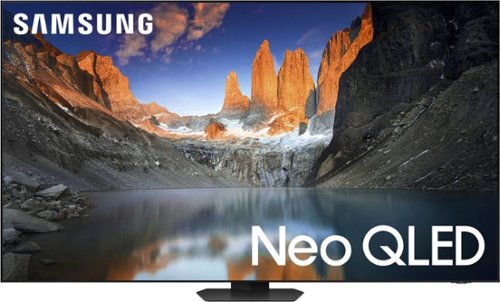
Verdict: The Sony X95L wins for movie content and processing; the QN90D for brightness and gaming.
How we scored it
Spec verificationOwner sentimentLive pricing (4h refresh)Editorial review
Our methodology
Winner: Sony X95L
Sony X95L: 7.2/10
Samsung QN90D: 7.5/10
Spec-by-spec comparison
| Sony X95L | Samsung QN90D | |
|---|---|---|
| Panel Type | Mini-LED | Mini-LED |
| Peak HDR Brightness | ~1,700 nits | ~2,200 nits |
| Processor | Cognitive XR | Neo Quantum 8K |
| Max Refresh Rate | 120Hz | 144Hz |
| Full-BW HDMI 2.1 | 2 ports | 4 ports |
| Smart OS | Google TV | Tizen 7 |
Sony X95L
What works
- Cognitive Processor XR — best upscaling and processing available
- More refined local dimming with fewer blooming artifacts
- Excellent movie and streaming content performance
What doesn't
- Lower peak brightness (~1,700 nits vs 2,200 nits)
- Only two full-bandwidth HDMI 2.1 ports
- Costs similar to QN90D without matching it on brightness
Samsung QN90D
What works
- 2,200+ nits peak brightness — extremely vivid HDR
- 4K/144Hz across all HDMI 2.1 ports
- Samsung Gaming Hub for cloud gaming
What doesn't
- More visible blooming in dark high-contrast scenes
- Neo Quantum processor trails Sony XR on upscaling
- Tizen 7 smart OS is one generation behind current
Bottom line
Our pick: Sony X95L. It edges out the alternative on cognitive processor xr — best upscaling and processing available. That said, Samsung QN90D still wins on 2,200+ nits peak brightness — extremely vivid hdr — consider it if that single trade matters most for your use.
View full comparison on GoodPickr
Related Comparisons
- Sony X95L vs Samsung QN90F
- Samsung QN90D 65" vs LG C4 OLED 55"
- Samsung QN90F vs TCL QM9K
- Withings Body Comp vs Garmin Index S2
- Intel Core Ultra 9 285K vs AMD Ryzen 9 9950X
- Apple AirPods Pro 3 vs Google Pixel Buds Pro
- JBL Charge 6 vs Bose SoundLink Flex 2
- Fitbit Charge 7 vs Apple Watch SE 2nd Gen
- iCloud+ 2TB Plan vs Microsoft 365 Personal
- NVIDIA GeForce RTX 4090 vs NVIDIA GeForce RTX 5090
- Celsius Energy Drink vs Alani Nu Energy Drink
- Cozi Family Organizer vs Google Calendar
People also compared
GoodPickr · Data-backed product comparisons