MERV 11 Air Filter vs MERV 13 Air Filter

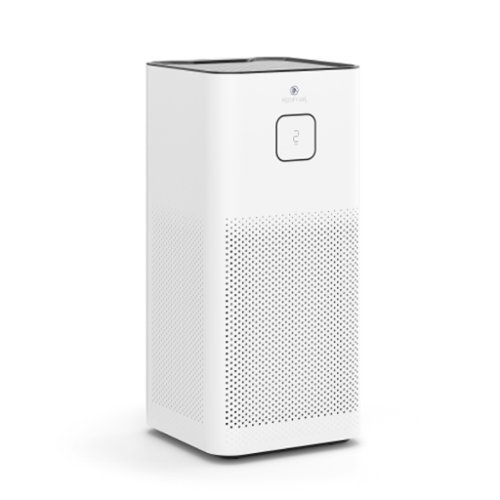
Verdict: MERV 13 outperforms MERV 11 in filtration efficiency, removing 90% of 1‑3 µm particles versus 65% (Consumer Reports), which is crucial for allergy sufferers. However, the higher pressure drop can modestly increase fan load, and the price premium is modest (Home Depot pricing). For most households without specific health concerns, MERV 11 offers adequate protection at lower cost and energy impact.
Winner: MERV 13 Air Filter
MERV 11 Air Filter: 6.5/10
MERV 13 Air Filter: 7.5/10
Spec-by-spec comparison
| MERV 11 Air Filter | MERV 13 Air Filter | |
|---|---|---|
| MERV Rating | 11 | 13 |
| Particle Efficiency 1-3µm | 65% (per Consumer Reports) | 90% (per Consumer Reports) |
| Particle Efficiency 3-10µm | 85% (per Consumer Reports) | 95% (per Consumer Reports) |
| Typical Size | 20x20x1 in | 20x20x1 in |
MERV 11 Air Filter
What works
- Adequate for pollen and dust
- Lower pressure drop than higher‑rated filters
- Cost‑effective for standard homes
What doesn't
- Less effective for viruses and ultra‑fine particles
- May not meet stricter building‑code requirements
MERV 13 Air Filter
What works
- Higher filtration of fine particles
- Improves indoor air quality for allergy sufferers
- Compatible with most residential HVAC systems
What doesn't
- Higher pressure drop can reduce airflow
- Typically more expensive than lower‑rated filters
Bottom line
Our pick: MERV 13 Air Filter.
View full comparison on GoodPickr
Related Comparisons
- Filtrete 1900 MERV 13 HVAC Filter vs Levoit Core 400S HEPA Air Purifier
- Levoit Core 400S vs Filtrete 1900 MERV 13
- Oura Ring Generation 4 vs Whoop 5.0
- Apple AirPods Max (USB‑C) vs Bose QuietComfort Ultra
- LG OLED C5 vs Samsung S90D
- Dell XPS 15 9520 vs MacBook Pro 14-inch M4
- iPad Air 5th Generation vs iPad Pro 11‑inch 4th Generation
- SanDisk Extreme Pro Portable SSD V2 2TB vs Samsung T7 Shield Portable SSD 2TB
- Oral‑B iO Series 9 vs Philips Sonicare DiamondClean
- iPhone 16 Pro vs iPhone 17 Pro
- MacBook Pro 16‑inch M2 Pro vs MacBook Pro 16‑inch M2 Max
- Lenovo ThinkPad X1 Carbon Gen 13 vs MacBook Pro 14 M5
Affiliate disclosure: GoodPickr may earn a commission from qualifying purchases made through partner links on this page. Verdicts are editorially independent and never influenced by affiliate relationships.
GoodPickr · Data-backed product comparisons · Built by Golden Consulting Partners